
.svg)
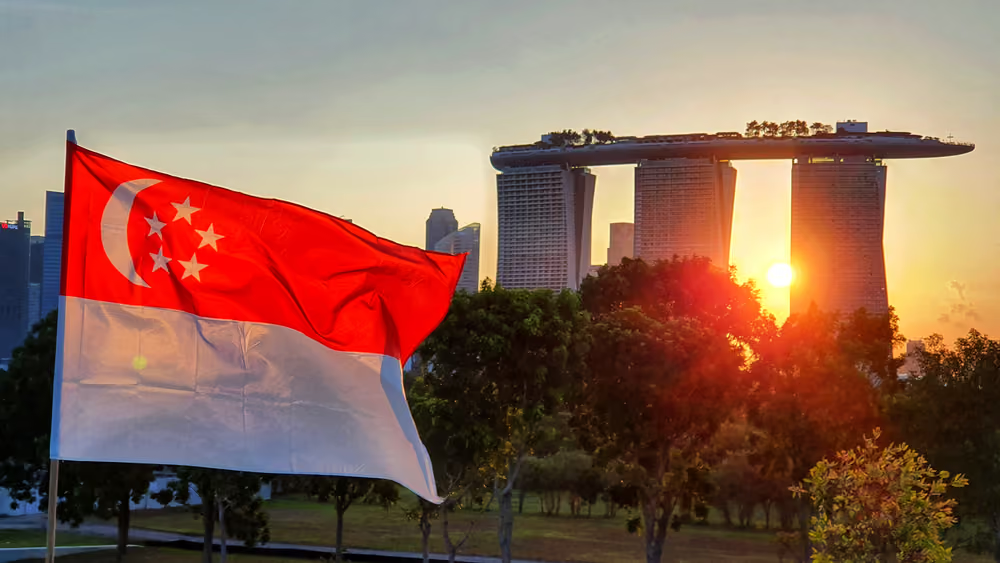
Singapore has launched a public consultation on new Sustainability Disclosure Standards that closely mirror IFRS S1 and IFRS S2, reinforcing its commitment to the International Sustainability Standards Board (ISSB)-aligned reporting. The move provides one of the clearest signals yet that major financial centres continue to consolidate around a common global disclosure baseline, even as the United States moves to rescind their climate disclosure requirements.
The consultation, launched by the Accounting and Corporate Regulatory Authority (ACRA)'s Interim Sustainability Standards Committee, runs until 25 October 2026 and will inform the final shape of Singapore's reporting framework. While the exercise is technical in nature, its significance extends well beyond Singapore.
At the heart of the consultation is a straightforward proposition that Singapore is not seeking to create a distinctive national sustainability reporting regime. Instead, it is embedding the International Sustainability Standards Board's framework into its corporate reporting architecture.
The proposals introduce SFRS S1, covering broader sustainability-related financial disclosures, and SFRS S2, covering climate-related disclosures. Consistent with Singapore's existing climate-first approach, only SFRS S2 would be mandatory, while broader sustainability disclosures under SFRS S1 would remain voluntary for now.
That distinction reflects implementation pragmatism rather than a departure from ISSB principles. Climate remains the most mature area of sustainability reporting, both in terms of regulatory expectations and company preparedness. Singapore's approach therefore prioritises the area where reporting capabilities are most advanced while preserving alignment with the wider ISSB framework.
Although aligned to ISSB, the consultation includes several adjustments designed to reflect Singapore's reporting roadmap and implementation priorities.
Companies would be required to publish climate disclosures at the same time as their financial statements rather than making use of the ISSB's transitional timing relief. References to SASB materials would become optional, and relief from Scope 3 reporting would remain available for companies not subject to mandatory Scope 3 requirements.
These changes are important for implementation but do not alter the broader direction of travel. Singapore is adapting the ISSB framework to local circumstances rather than redefining it. For investors and multinational companies, the key takeaway is that reporting requirements remain anchored to the same underlying architecture that is being adopted or adapted elsewhere.
The most significant aspect of the consultation may be what it says about the broader global reporting landscape.
Over the past three years, the ISSB has emerged as the closest thing sustainability reporting has to a global baseline. Jurisdictions across Asia-Pacific, Europe and other regions have either adopted IFRS S1 and S2 directly or built local frameworks around them. Singapore's consultation adds further momentum to that trend.
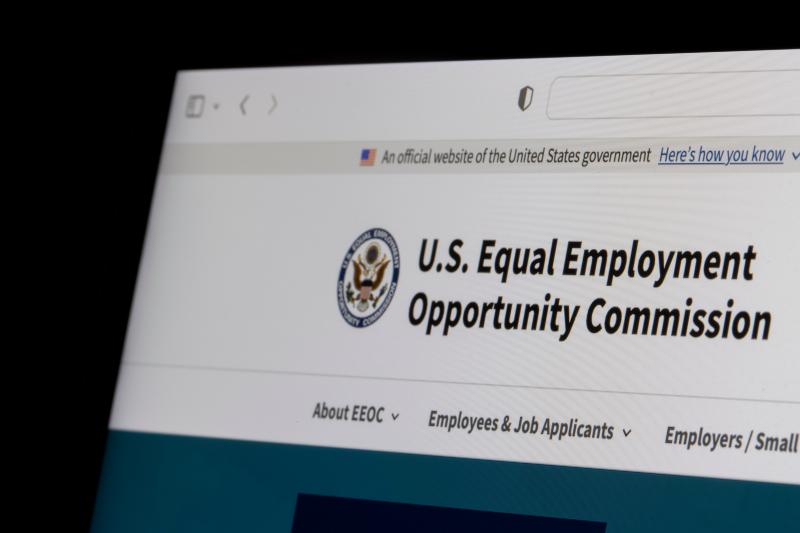
At the same time, the United States has moved along a less predictable path. Regulatory uncertainty, political contestation and challenges to sustainability disclosure initiatives have left the US further from the emerging international consensus than many of its peers. Most recently, the US Securities and Exchange Commission released their own consultation proposing the rescission of climate disclosure standards entirely from the US reporting regime.
This divergence matters because global reporting expectations are increasingly shaped by market realities as much as domestic regulation. Large US companies continue to operate internationally, raise capital in multiple jurisdictions and respond to investor requests that extend beyond US disclosure requirements. As more markets align with ISSB, the practical benefits of maintaining entirely separate reporting approaches become less compelling.
The consultation remains open until 25 October 2026, after which ACRA will review submissions and finalise the standards.
For investors, the most important question is not whether Singapore will adopt ISSB principles. That direction is already largely settled. The more relevant issue is how quickly greater reporting consistency translates into more comparable sustainability information across markets.






-1.avif)




.jpg)