22 October 2026
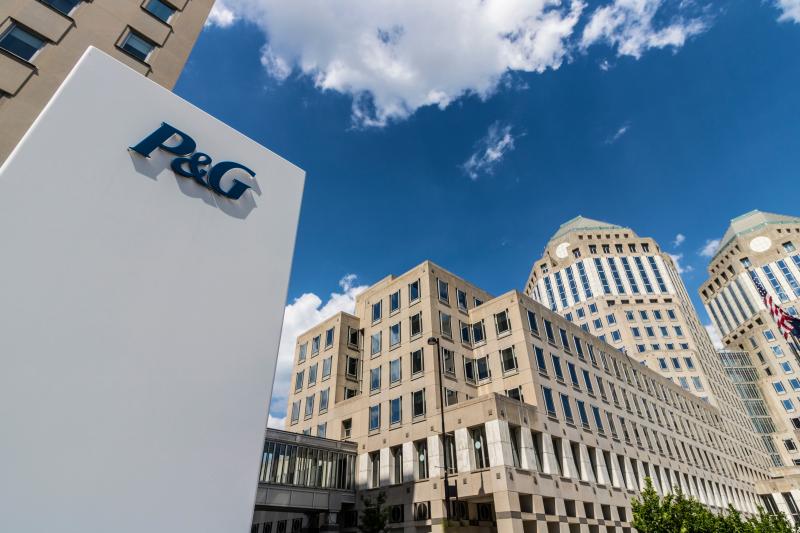
Shareholders, including anti-ESG campaigners, are taking the defence of shareholder rights into their own hands as the SEC moves to dismantle federal proposal protections. At Procter & Gamble's 2026 AGM, more than a quarter backed an anti-ESG group's proposal asking the company to preserve access under the ownership and holding-period requirements currently set out in Rule 14a-8.
A separate proposal which sought to lower the threshold required to call a special shareholder meeting received 37% support, making it the most strongly supported shareholder resolution at the meeting.
Both proposals were defeated but exceeded Minerva Analytics' significance threshold of 20%, as debate intensifies over the future of the US shareholder proposal regime.
The AGM featured three shareholder proposals: two on shareholder rights and one anti-ESG resolution on charitable contributions.
The National Legal and Policy Center (NLPC) submitted the proposal on eligibility thresholds for shareholder proposal proponents, calling for a board policy based on the combinations of shareholdings and holding periods currently specified in Rule 14a-8.
The resolution received more than 26% support. NLPC is known for anti-ESG campaigns, but its proposal sought to preserve shareholder access, suggesting the issue extends beyond traditional ideological divisions.
The vote took place just weeks after the SEC proposed rescinding Rule 14a-8 and announced it would permanently cease responding to ‘no action’ requests.
Minerva Analytics noted in its voting analysis that the proposal could help raise awareness of the regulatory mechanisms underpinning shareholder engagement and the potential consequences of weakening or removing them. Greater detail on the implications of Rule 14a-8's proposed rescission is available in Minerva's recent briefing on the subject.
Last month, NLPC announced an agreement with Microsoft under which the company will continue accepting shareholder proposals under existing ownership thresholds through its 2027 AGM. NLPC had filed a similar proposal at Microsoft before withdrawing it following discussions with the company.
A NLPC proposal with the same objective is due to be voted on at Oracle's AGM on 18 November, offering a further test of investor support for preserving proposal rights.
The Accountability Board submitted the special meeting proposal, seeking a bylaw amendment to lower the ownership threshold.
Had it passed, shareholders holding an aggregate 15% of outstanding voting shares would have gained the ability to call a special meeting, compared with the current 25% threshold available under Ohio state law.
The proposal underlines differences in shareholder rights across US jurisdictions. Currently, 36 states utilise the Model Business Corporation Act, granting shareholders holding 10% of voting rights the ability to call special meetings, while the remaining states apply their own diverging rules. Differences in rules between states could similarly become an issue for shareholder proposals if Rule 14a-8 were rescinded.
According to The Accountability Board, a 15% threshold would provide shareholders with a meaningful governance tool while limiting the risk that a small minority could trigger meetings for narrowly focused purposes.
The result is consistent with a broader pattern of meaningful investor support for governance and sustainability-related proposals at Procter & Gamble. A resolution requesting a report on racial and gender pay gaps received nearly 30% support in 2024, while a proposal seeking shareholder approval for certain future regulatory amendments attracted more than 42% support in 2023. A deforestation-related proposal proved even more successful, securing almost 67% support at the company's 2020 AGM.
By contrast, a proposal from anti-ESG proponent the Bahnsen Family Trust calling for enhanced reporting on charitable contributions and associated reputational risks received just 4% support.
The trust argued that greater disclosure would help investors assess potential reputational or business risks from the company's charitable giving.
The result was consistent with the relatively low backing generally received by anti-ESG proposals in recent proxy seasons.
While none of the proposals secured majority support, the results demonstrate that shareholder rights remain a live governance issue for investors. The level of backing received by both governance-related resolutions suggests shareholders are paying increasing attention to mechanisms that could become more significant if Rule 14a-8 is ultimately rescinded.
The outcome of Oracle's forthcoming vote on a similar NLPC proposal may provide the next indication of whether the support seen at Procter & Gamble reflects a broader investor view on preserving access to the shareholder proposal process.