.svg)
10 September 2021
Elizabeth Pfeuti
September 10, 2021
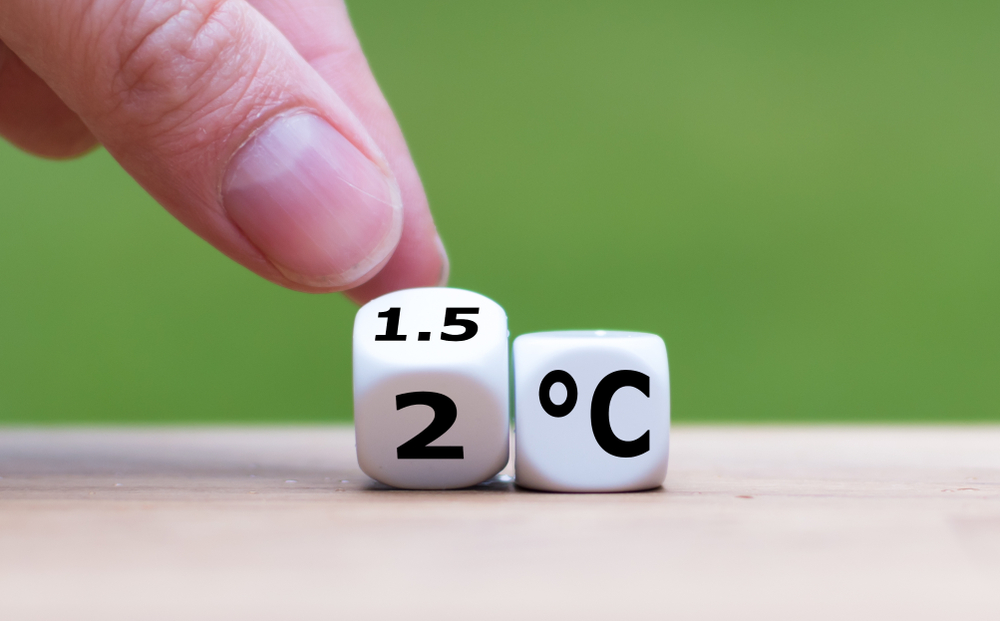
Keeping the global average temperature rise to a maximum of 1.5°C above pre-industrial levels will require an energy transformation that is "unparalleled in size and scope", according to the Transition Pathway Initiative (TPI).
The TPI has introduced several new low-carbon scenarios to its performance analysis tool in the wake of the Intergovernmental Panel on Climate Change's landmark report in August.
The new benchmark is based on the International Energy Agency's report 'Net-Zero by 2050'. This report set out a pathway for the global energy sector to limit global warming. Successfully navigating this pathway, the TPI said, would "require a transformation of the energy systems that define our economies".
In a statement announcing the updated scenarios, the initiative said they would aid the work of Climate Action 100+ "to consider the implications for companies’ targets and alignment to the goals of the initiative".
"As the science and economics of climate change develop, so does our understanding of what it takes to fulfil the aims of the Paris Agreement," the TPI stated. "These new benchmark scenarios are intended to keep up with recent policy developments and what is required to limit temperatures to 1.5°C and well below 2°C."
The TPI tool's update means investors can now assess whether a company's performance and plans are aligned with a 1.5°C "pathway". Its existing "Paris Pledges" pathway model will be replaced ahead of the COP26 climate conference in Glasgow in November, the TPI said.
The new model will be used for the first time in the TPI's October energy sector analysis.
The IPCC’s sixth report, published at the start of August, underlined that human activity was “unequivocally” the driving force behind climate change and current efforts to curtail global warming were proving unsuccessful.
According to the IPCC, a global temperature increase of 1.5°C, originally anticipated to occur by 2040, is now estimated to happen by 2030.

.jpg)