.svg)
30 May 2025
Jack Grogan-Fenn
May 30, 2025
A group of pensions fund investors at Tesla has demanded CEO Elon Musk work at least 40 hours per week before any new compensation plan is approved.
In a letter sent to Robyn Denholm, the Chair of the electric vehicle manufacturer’s Board, the investors demanded corporate governance reforms to address several problems plaguing the firm.
The letter was signed by 12 institutional investors, including Akademiker Pension, AP Pension, Storebrand Asset Management and the New York City Comptroller, collectively representing U$950 billion in AUM.
“Tesla’s stock price volatility, declining sales, as well as disconcerting reports regarding the company’s human rights practices, and a plummeting global reputation are cause for serious concern,” the letter read. “Moreover, many issues are linked to Mr. Musk’s actions outside of his role as Technoking and CEO at Tesla, including his high-profile role as an architect of the US Department of Government Efficiency.”
The letter set out four key reforms for Tesla’s board to consider. The first was to “establish clear time commitments for any new CEO compensation plans”. This included any new compensation plan offered to Musk including a commitment to devote a minimum of 40 hours per week to managing Tesla.
“Tesla deserves a CEO whose time and attention align with the scale of the responsibilities at hand—particularly in light of recent performance challenges, strategic uncertainties, and the company’s evolving competitive landscape,” the investors wrote. “It is the Board’s fiduciary duty to structure compensation in a way that incentivises meaningful, sustained engagement—not merely symbolic presence.”
Last June, Minerva Analytics reported that Tesla shareholders approved a controversial U$56 billion pay package for Musk, the largest in US corporate history. This was despite many US and international pension funds voting against the measure, as did Norges Bank Investment Management.
The second recommendation was to “adopt and disclose a clear succession plan for management”. The letter stated that Tesla should improve investor certainty by introducing a succession plan including the goals of the plan, strategies on internal candidate development and the development of a talent pipeline.
The third recommendation was to introduce a new policy for directors that “specifically limits outside board commitments at both public and private companies”.
The letter urged that for any director that is an executive at Tesla, the overboarding policy should be limited to no more than one director position at an outside public or private company board and no more than one executive position at an outside public or private company.
The final recommendation was for the board to appoint at least one new “truly independent” director with no personal ties to its other members, as well as having experience offering oversight on issues including corporate governance, legal and regulatory experience, and risk management.
In recent months, Tesla’s stocks have significant fallen, sales have dropped, protests have been held outside showrooms, and vehicles have been damaged or destroyed in several countries.
As noted in the letter, the company’s stock price has fallen by more than 24% since its peak in December 2024, its Q1 sales decreased 13% this year versus the same period a year ago, and there have been calls for divestment both in Europe and in the US.
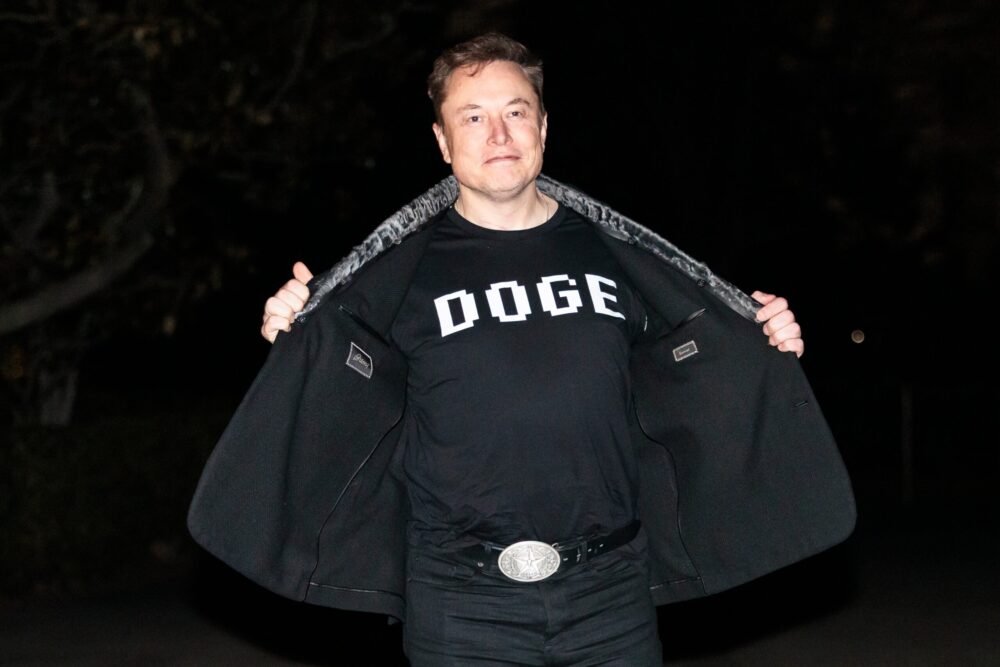
It was today confirmed that Musk will be leaving his role in the administration of President Donald Trump. He has headed the controversial Department of Government Efficiency, also known as DOGE, since it was established in January. The initiative positioned itself as aiming to streamline government operations and improve efficiency, as well as cut perceived bureaucracy and inefficiency.
Last month, Musk had said he would significantly cut back his involvement in DOGE amid sliding sales and profit at Tesla since the start of this year.
Musk also caused controversy by publicly backing the far-right Alternative for Germany party ahead of the country’s parliamentary elections in February.
“Concerns regarding Tesla’s poor corporate governance have become increasingly pronounced, most recently with Tesla’s announced bylaw amendment that curtails its shareholders’ ability to hold directors accountable for breaches of fiduciary duty,” the letter read. “Since the Board has unilaterally adopted measures that weaken shareholder rights, it is even more important for the Board to adopt reforms that strengthen corporate governance and protect shareholder interests.”
You can read more of our articles by clicking here.


.png)

.jpg)