.svg)
26 February 2025
sarah-wilson
February 26, 2025
The ability of shareholders to submit proposals is a fundamental investor right that underpins corporate accountability and good governance. However, this right is facing increasingly heavy headwinds as regulatory shifts favour corporate discretion over investor stewardship concerns.
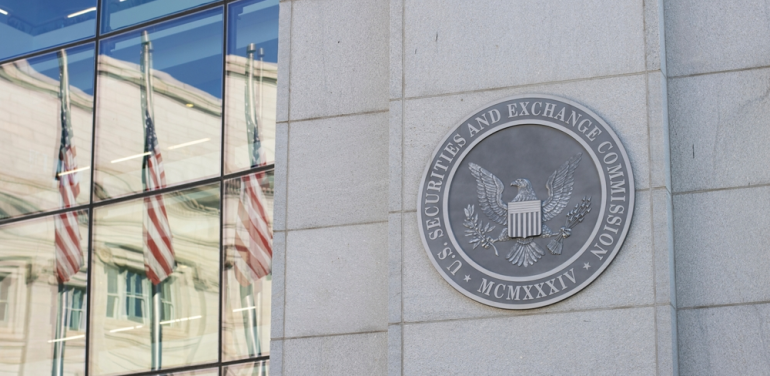
In a recent bulletin, the U.S. Securities and Exchange Commission’s (SEC) announced that it will allow companies to exclude more shareholder resolutions from annual meetings. The February 2025 policy shift reverses prior SEC guidance that made it harder for corporations to bypass shareholder votes on proposals related to significant policy issues, including ESG concerns. The new interpretation grants companies greater discretion in rejecting proposals they deem as interfering with “ordinary business operations” or insufficiently relevant to financial performance.
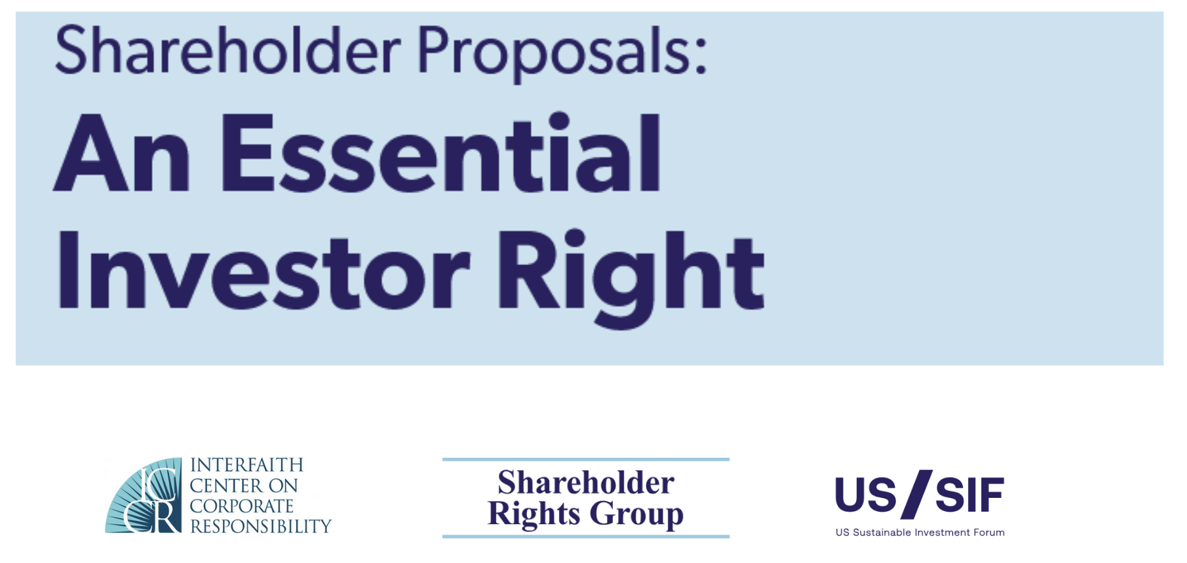
This change has been widely criticised by investor advocacy groups as a rollback of transparency and corporate accountability. They argue that companies will use the policy to avoid scrutiny on controversial but material issues, particularly around climate change, human rights, and governance practices. Conversely, business groups applaud the move, contending that it protects companies from frivolous or politically motivated shareholder activism. A newly published report from a coalition of US investors, "Shareholder Proposals: An Essential Investor Right," highlights the key role these proposals play in promoting transparency, long-term value creation, and sustainable business practices.
Key Takeaways
The report underscores several key findings:
Implications for Investors and Companies
For investors, the report highlights the importance of defending shareholder rights against regulatory shifts that curtail engagement. However, with the SEC's policy reversal, these efforts could become more challenging as companies gain legal backing to sidestep controversial shareholder proposals. Institutional investors may therefore need to explore alternative strategies—such as direct engagement and coalition-building—to ensure that stewardship concerns remain on corporate agendas. This is of particular importance for many European asset owners who have regulatory responsibilities in respect of climate aware investment.
For companies, although the SEC’s policy revision appears to offer more flexibility in handling shareholder resolutions, it also risks increased reputational scrutiny. Investors and advocacy groups may intensify pressure through public campaigns and litigation to push for climate-risk disclosures and corporate accountability. Companies seen as exploiting the new rules to dismiss valid shareholder concerns may face backlash from institutional investors, regulatory bodies, and the media.
Debate and controversy around corporate governance has never been far from the headlines, but the changes in the US administration and Federal abandonment of climate and ESG issues will most likely increase scrutiny and the transfer of votes from shareholder resolutions to management proposals. Chilling the stewardship process may well also lead to further litigation if investors feel that corporate free speech rules have become imbalanced. If pro-ESG and climate sensitive investors are being pushed out, it would be odd if the anti-ESG resolution proponents were also not curtailed. Proxy season 2025 will certainly be interesting.
You can read more of our articles by clicking here.





.png)